Connection Before Choreography: What Following (and Leading) Actually Means in Salsa
Quick Answer: Following isn’t predicting patterns — it’s maintaining a responsive frame (toned arms, engaged core, weight ready) that lets the leader’s signals transmit, then moving when moved. Leading isn’t pushing — it’s clear, early, gentle signals through that same frame. The skill both roles share is connection: the physical conversation that makes a first-time pairing work without a word. Beginners who chase pattern memorization skip the layer that makes patterns possible.
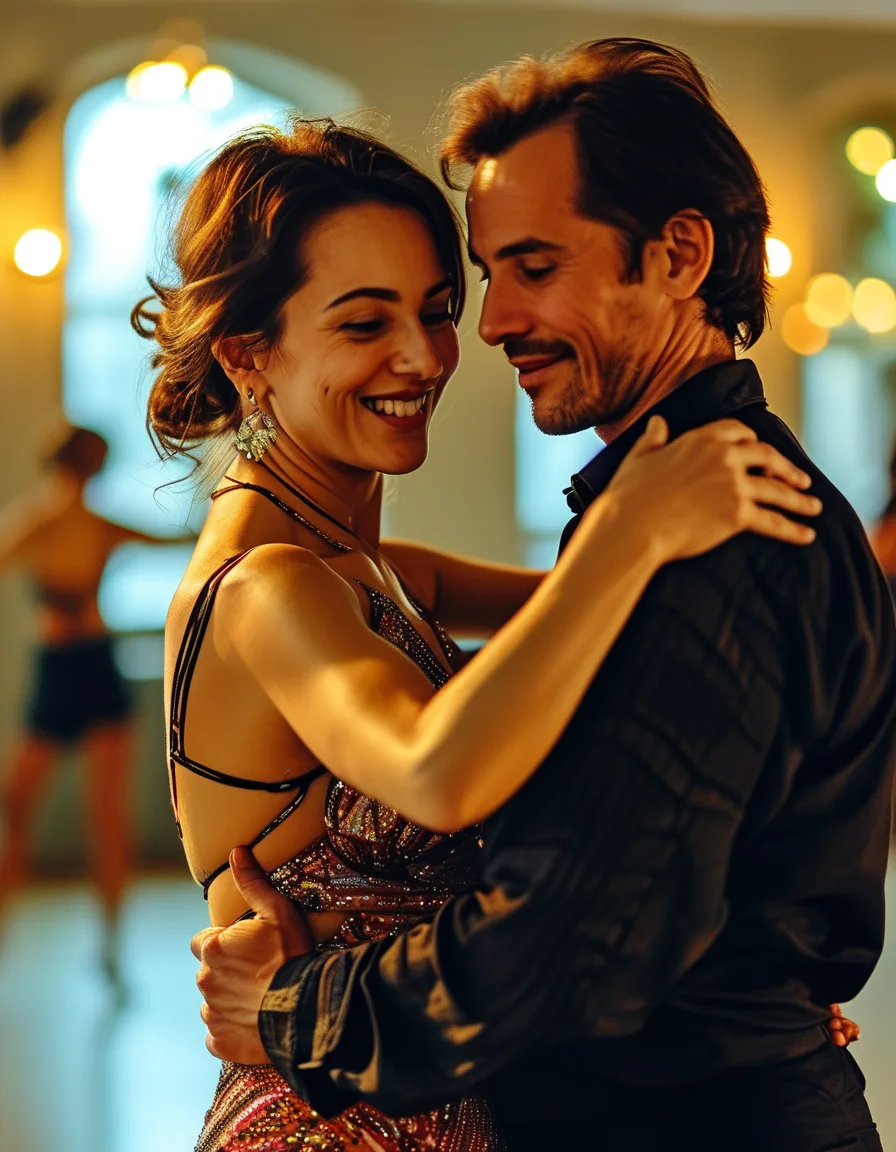
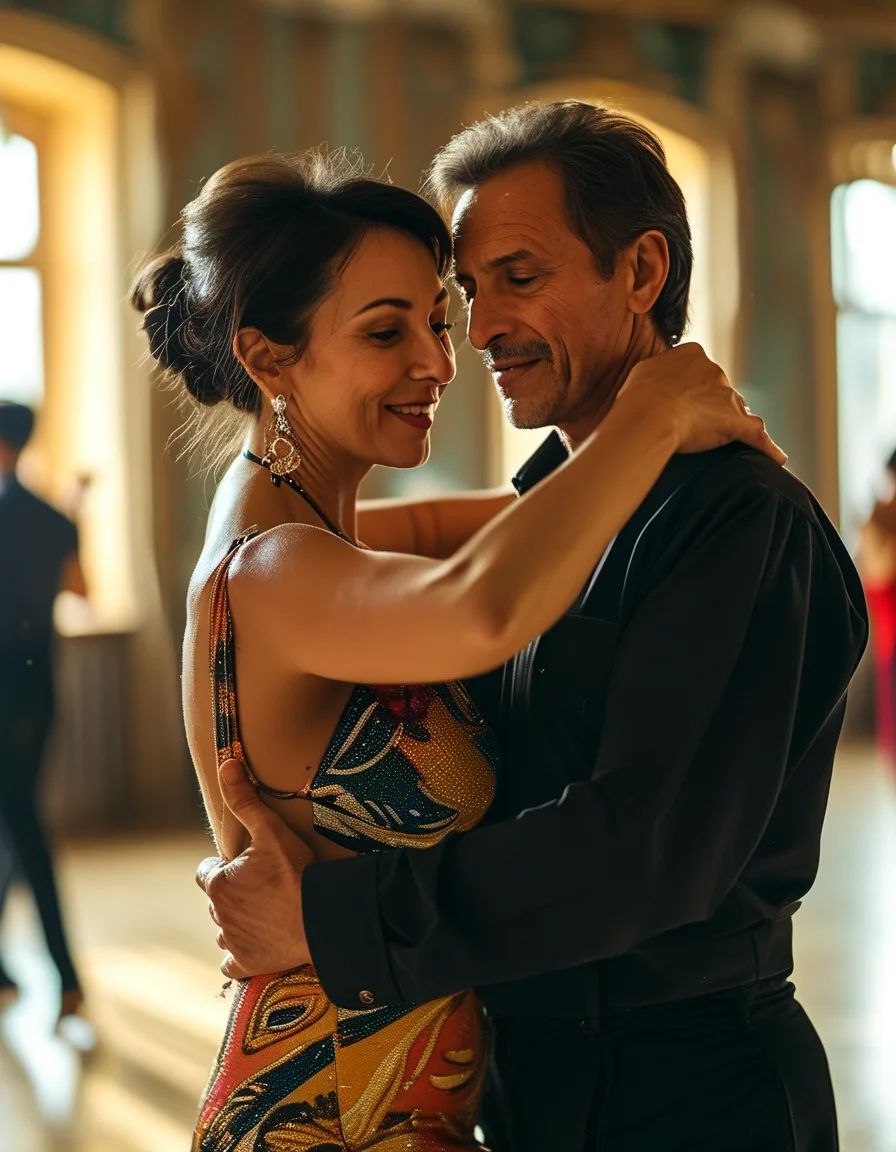
Watch a social dance floor: the magic pairs aren’t executing the fanciest patterns — they’re the ones who look like one nervous system operating two bodies. That’s not telepathy or ten years of shared practice (they may have met ninety seconds ago) — it’s connection, the learnable physical skill sitting underneath everything else salsa teaches.
What is connection, mechanically?
Connection is information transfer through touch — and it runs on frame: the maintained, springy tone of arms, shoulders, and core that turns two bodies into a communication channel.
- The follower’s half: arms with living tone (not noodle-limp, which drops the signal; not rigid, which fights it), core engaged, weight centered and ready to travel any direction. The classic image: your arms are the phone line — tension settings decide whether the call connects.
- The leader’s half: signals sent through that channel — a hand’s redirection, a frame’s rotation — sent early (a beat before the move needs to happen) and scaled gently (good leading is whisper-volume; the shove is the mark of a leader compensating for late timing).
- The shared half: matched resistance — a light mutual presence in the connection point that both partners maintain, sometimes called ‘meeting in the middle.’ Lose it and moves evaporate; overdo it and dancing becomes arm-wrestling.
The reframe that changes beginner practice: patterns are vocabulary, connection is grammar — and grammar is why an experienced follower can dance patterns she’s never seen: the signals spell them out in real time.
How do beginners actually build it?
For followers — the counterintuitive assignment: stop anticipating. The beginner-follower’s instinct is to recognize the pattern’s start and complete it helpfully — which trains guessing, collides with any leader whose version differs, and reads to skilled leaders as ‘backleading.’ The developmental discipline: wait for the signal, even when you know what’s coming — waiting is the skill. Drills that build it: closed-eyes basic steps with a trusted partner (eyes off, signals on), and dancing deliberately with many different leaders (variety destroys pattern-guessing and trains true responsiveness).
For leaders — clarity over catalog: one clearly-led simple move outranks five mushy patterns; the follower’s experience is your signal quality, not your repertoire. The perennial fixes: prepare signals a beat early, lead with frame movement rather than hand-pushing, and calibrate to whisper-strength on every new partner.
For both — the frame tune-up: posture tall, shoulder blades gently set, elbows living slightly in front of the body line, grip light (thumbs never clamp). And the practice reality nobody escapes: connection is learned by social dancing with strangers — class partners learn each other’s habits; the rotating dance floor teaches the actual skill. Three socials teach what ten same-partner classes can’t.
Myth vs Fact: Connection Edition
Myth: Great followers know every pattern. Fact: Great followers need no pattern knowledge for patterns to work — responsiveness executes signals as they arrive. (Pattern familiarity helps styling and flourish, but the engine is the frame.) The floor’s best compliment — ‘she follows anything’ — describes grammar mastery, not vocabulary size.
Myth: Strong leading means firm control. Fact: The scale runs opposite — advanced leading gets lighter as timing improves, because early signals need no force. Followers rank leaders by comfort and clarity, and the crushing-grip, arm-yanking lead is the floor’s most common complaint, not its standard.
Myth: Connection is chemistry — you have it with some partners and not others. Fact: Chemistry exists, but what beginners call ‘no connection’ is usually mismatched frame tone or timing — mechanical, diagnosable, fixable. The proof: skilled dancers manufacture good connection with nearly anyone within one song, because the components (tone, timing, matched resistance) are skills, not fate.
The etiquette footnote that belongs in every connection conversation: connection is physical communication between strangers — light hands, respected personal styling space, and adjusting instantly to a partner’s comfort signals are part of the skill definition, not garnish on it.
FAQ: Connection Questions, Answered
As a follower, how do I stop anticipating when I already know the patterns?
Give your attention a replacement job: track the leader’s frame (chest direction, weight shifts) instead of guessing names of moves — presence displaces prediction. The closed-eyes drill and unfamiliar-leader socials remain the honest medicine; anticipation starves without pattern-recognition fuel.
My arms get tired maintaining frame — am I overdoing it?
Probably — frame fatigue usually means muscling from the shoulders rather than settling into posture-supported tone. The fix cascade: taller posture (frame hangs cheaper off aligned posture), elbows slightly lower, grip lighter — and yes, early-months frame endurance is also just a real (mild) fitness adaptation that arrives with dancing.
Can connection skills transfer between salsa and bachata/other partner dances?
Substantially — frame, signal-reading, matched resistance, and early timing are the shared operating system; each dance then loads its own vocabulary and styling on top. It’s why experienced partner-dancers cross styles in weeks: they’re carrying the grammar and just learning new words.
TL;DR:
- Connection = information through frame: toned responsive arms, engaged core, signals sent early and gently
- Followers: waiting for the signal IS the skill — anticipation is the habit to unlearn (closed-eyes drills, many partners)
- Leaders: clarity over catalog; advanced leading gets lighter, never firmer
- Patterns are vocabulary, connection is grammar — and grammar is what makes strangers dance like one nervous system
The magic pairs on the floor met ninety seconds ago — the conversation you’re watching is the skill you can learn. This is general information, not medical advice.
Keep Reading
This article is for general informational and styling purposes only. Fit, sizing, and product availability may vary.