Why Your Salsa Turns Feel Fine Practicing Alone but Fall Apart the Moment You Add a Partner
Quick Answer: Solo turn practice lets you set your own timing and spotting rhythm entirely on your own terms, but partner turns require reacting to someone else’s lead timing and physical connection in real time, which is a genuinely different skill from the turn mechanics themselves — meaning a clean solo turn doesn’t automatically transfer to a clean partner turn.
It’s a common and frustrating experience — a turn you can execute cleanly and consistently alone suddenly feels rushed, off-balance, or disconnected the moment a partner is involved.
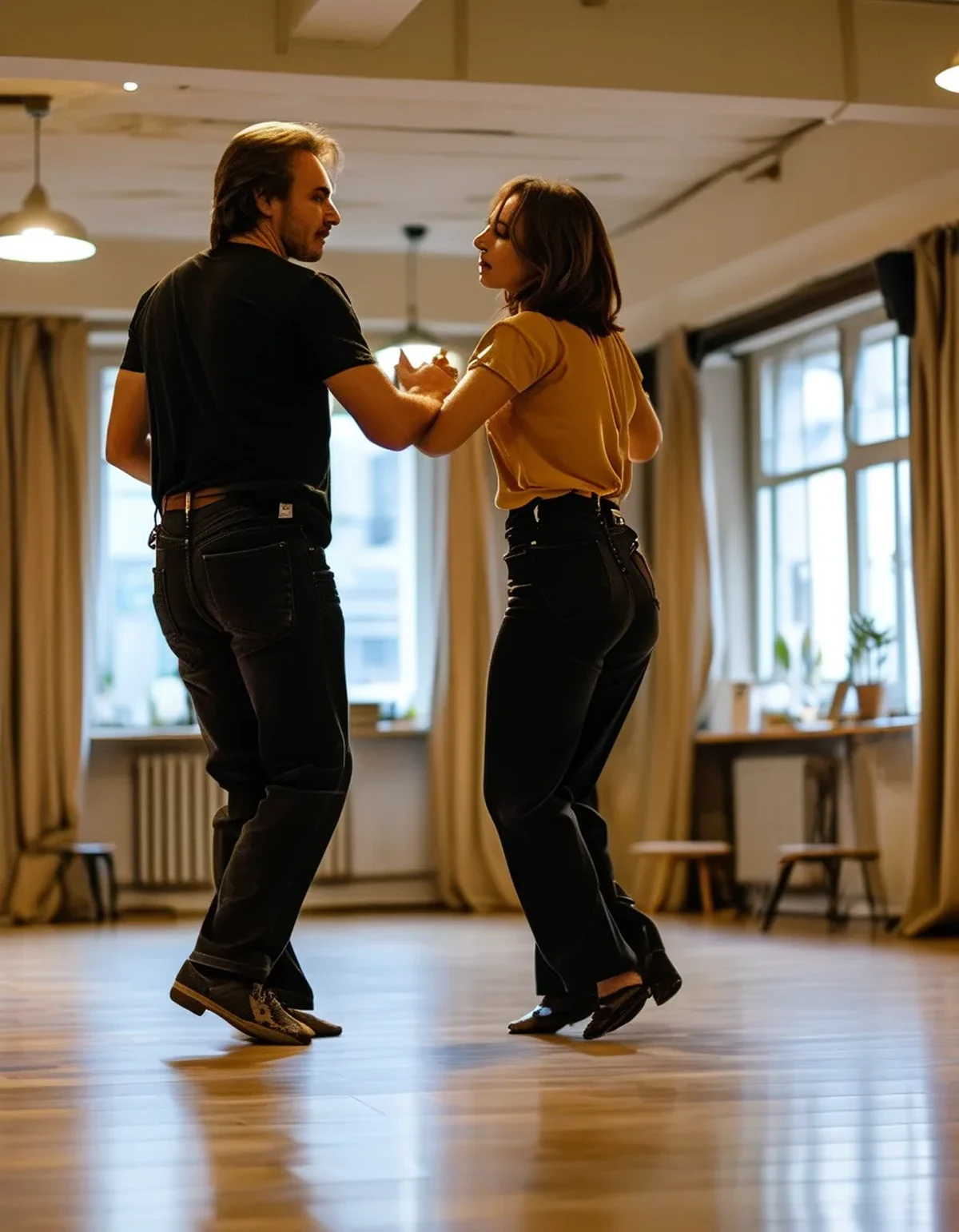
Why doesn’t solo turn competency guarantee partner turn competency?
Solo practice lets you control exactly when the turn initiates and how fast it happens, but a partner-led turn depends on reading a lead signal in real time and reacting within a much smaller timing window, which is an entirely separate skill from spotting and rotation mechanics that solo practice doesn’t build at all.
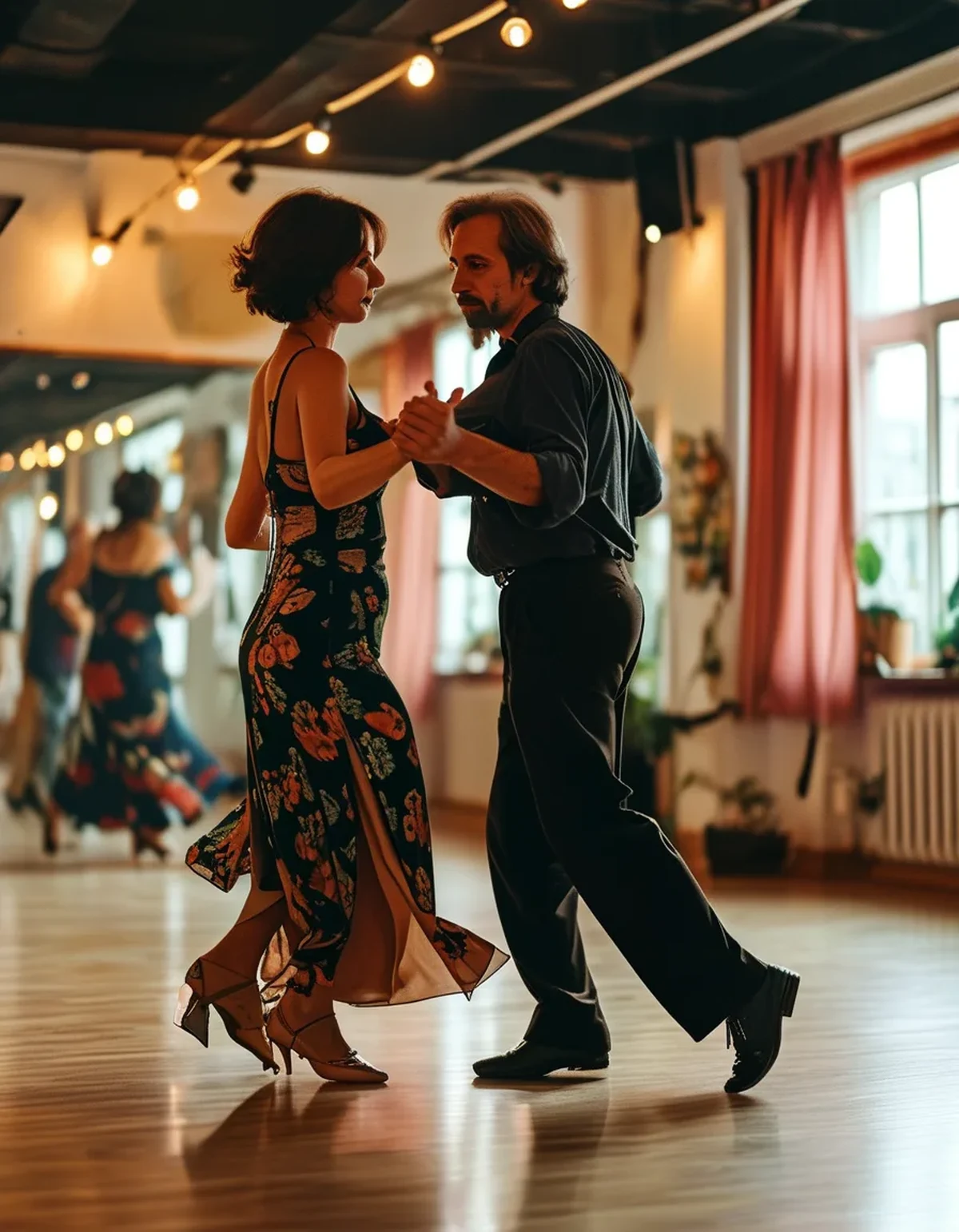
What role does physical connection (frame tension) play in why partner turns feel different?
Frame tension between partners transmits the lead signal physically, and if that tension is too loose or too rigid, the turn cue arrives unclearly or with mistimed force — a factor that simply doesn’t exist in solo practice, where there’s no physical connection to manage alongside the turn itself.
Does anticipating the turn instead of waiting for the lead cause specific problems?
Yes — many solo-practiced dancers unconsciously anticipate when they think the turn should happen, based on the count they’ve memorized, rather than waiting for the actual physical lead cue, which creates a mismatch when the partner’s actual timing differs slightly from the practiced solo rhythm.
Myth vs Fact: Partner Salsa Turns
Myth: If you can do a turn cleanly alone, you should be able to do it with a partner immediately. Fact: Partner turns require an entirely separate skill — reading and reacting to a real-time lead cue — that solo practice doesn’t develop.
Myth: Frame tension is just about looking connected, not about the turn’s success. Fact: Frame tension is the physical channel the lead signal travels through, directly affecting turn timing and clarity.
Myth: Struggling with partner turns after solid solo practice means you need more solo practice. Fact: At that point, more partner practice — not more solo practice — is what closes the remaining gap.
FAQ: Salsa Partner Turn Questions, Answered
How much solo practice is actually useful before adding a partner?
Solo practice is genuinely useful for building the underlying rotation and spotting mechanics, but should be paired with partner practice as soon as those basics feel reasonably comfortable, rather than delayed indefinitely.
What’s a good way to specifically practice reacting to a lead cue rather than anticipating it?
Practicing with eyes closed briefly, or having your partner vary the exact timing slightly between attempts, forces genuine reaction rather than memorized anticipation.
Is it normal for this adjustment to take several partner-dancing sessions?
Yes — most dancers need multiple partner sessions specifically focused on turns before the reactive timing feels as natural as the solo-practiced version did.
TL;DR:
- Solo turn practice builds rotation mechanics but not the real-time lead-reading skill partner turns require
- Frame tension physically transmits the lead cue, and mismatched tension disrupts turn timing
- Unconsciously anticipating the turn instead of reacting to the actual cue is a common, fixable habit
- Closing this gap takes dedicated partner practice, not more solo repetition
If your turns fall apart with a partner despite feeling solid alone, that’s a normal, separate skill gap — not a sign your solo practice was wasted.
Keep Reading
This article is for general informational and styling purposes only. Fit, sizing, and product availability may vary.